
Updated by
Cooper Hale is the founder and editor of FIFO Careers. Based in Sydney, Australia, and in his thirties, Cooper researches FIFO and remote-site careers across mining and resources, construction, renewables, oil and gas, healthcare and electrical trades. His guides draw on current job advertisements and authoritative Australian sources, including Fair Work Commission agreements, ATO guidance, modern awards and Fair Work Ombudsman resources. He aims to provide practical, carefully sourced information rather than opinion or unverified forum advice.
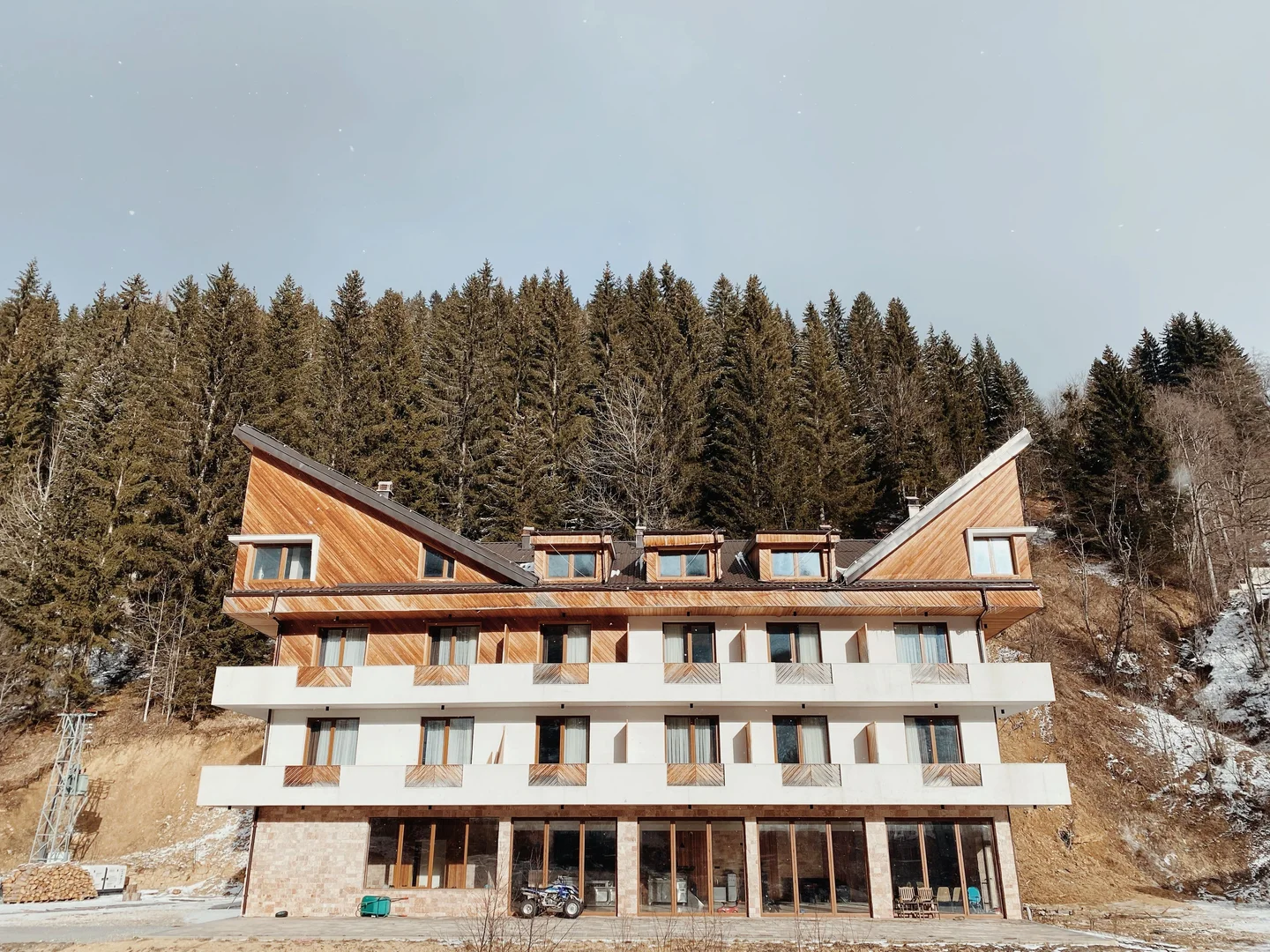
For many people considering a FIFO (fly-in fly-out) career, one of the biggest questions is not just about the work. It is about where you will live while you are on site.
What are FIFO camps actually like? Do you get your own room? What is the food like? Are there gyms and recreational facilities? How do people handle spending weeks away from home?
FIFO accommodation has changed significantly over the years. While some remote camps are basic and focused purely on providing workers with a place to sleep, many modern mining and energy villages now offer comfortable rooms, quality meals, gyms and facilities designed to make extended periods away from home more manageable.
This guide explains what you can expect when living in a FIFO camp in Australia.
What is a FIFO camp?
A FIFO camp, also known as a mining camp, village or accommodation village, is a remote accommodation facility built to house workers who travel to mine sites, energy projects, construction sites and other remote operations.
Instead of workers living permanently near the site, companies fly employees from major cities such as Perth, Brisbane or Adelaide to the operation for their roster. Workers stay in camp during their swing before returning home for their days off.
FIFO accommodation is commonly found across:
Western Australia's Pilbara region
Goldfields mining areas
Queensland coal regions
Remote oil and gas projects
Large construction and infrastructure projects
The size of camps varies significantly. Some smaller operations may have only basic facilities, while major mining sites can have thousands of workers and extensive accommodation villages.
What are FIFO rooms like?
Most FIFO workers have their own private room, although accommodation standards vary depending on the site, company and project.
A typical FIFO room may include:
Single bed
Ensuite bathroom
Desk and chair
Wardrobe or storage space
Television
Air conditioning
Refrigerator
Wi-Fi access (availability varies)
Older camps may have smaller rooms or shared bathroom facilities, while newer accommodation villages are often closer to a hotel-style setup.
A common adjustment for first-time FIFO workers is learning to live in a smaller personal space and making the most of limited belongings while on site.
Do FIFO workers get their own room?
In most modern Australian FIFO operations, workers have their own room.
However, this can depend on:
The project
The employer
Camp capacity
Whether the site is experiencing a busy period
During major shutdowns or periods of high demand, accommodation can become more limited.
For most permanent FIFO roles, having your own room is now considered the standard.
What is FIFO camp food like?
FIFO food has developed a reputation over the years, but many large camps now provide a wide variety of meals designed to cater for hundreds or thousands of workers.
Typical dining facilities offer:
Breakfast options
Hot lunches and dinners
Salad bars
Fresh fruit
Desserts
Snacks
Dietary options
Workers generally eat in a communal dining area, often called "the mess".
FIFO Careers Insight: Camp services remain a key part of Australia's FIFO workforce. At the time of writing, FIFO Careers features more than 210 active FIFO jobs, including opportunities in utility, catering, housekeeping, administration and village management. These roles help keep remote mining and energy operations running around the clock.
What facilities are available in FIFO camps?
Modern FIFO villages often include facilities designed to help workers maintain a normal routine while away from home.
Gyms
Most larger FIFO camps have gyms with cardio equipment and weights. Many workers use their time on site to maintain fitness because they have fewer distractions compared with being at home.
Recreation areas
Depending on the site, facilities may include:
TV rooms
Sports courts
BBQ areas
Games rooms
Lounges
Laundry
Laundry facilities are usually provided, either through:
Personal washing machines
Shared laundry areas
Camp laundry services
Internet and phone coverage
Internet access varies significantly between sites.
Some camps have reliable Wi-Fi and mobile coverage, while others in very remote areas may have limited connectivity.
Many FIFO workers prepare for remote locations by downloading:
Movies
Podcasts
Books
Games
before travelling to site.
What is life like after a FIFO shift?
A typical FIFO day can involve long hours, often 10 to 12 hour shifts. After finishing work, most workers return to camp and follow a fairly simple routine:
Shower
Eat dinner
Exercise
Relax
Call family or friends
Prepare for the next shift
Sleep
Because FIFO rosters often involve long workdays, many workers find that camp life becomes quite structured.
Are FIFO camps strict?
Yes, FIFO camps generally have clear rules because hundreds of people are living and working together in remote locations.
Common rules include:
Drug and alcohol policies
Noise restrictions
Respectful behaviour requirements
Accommodation rules
Site safety requirements
Many mining camps are dry camps, meaning alcohol is not permitted. Other sites may have designated areas where alcohol is allowed.
What should you bring to a FIFO camp?
Packing for FIFO is different from a normal work trip because you may be away for one or two weeks at a time.
Common items include:
Clothing
Comfortable clothes for after work
Work-approved PPE (depending on employer)
Exercise clothes
Casual clothes for downtime
Personal items
Toiletries
Medication
Chargers
Headphones
Books or entertainment
Helpful extras
Portable hard drive
Snacks
Eye mask
Ear plugs
Water bottle
Many experienced FIFO workers recommend packing light and creating a repeatable packing list.
Is FIFO accommodation free?
In most FIFO roles, accommodation and meals are provided by the employer while you are working on site.
This is one of the major benefits of FIFO employment because workers generally do not need to pay for:
Accommodation during their swing
Food while on site
Transport to and from the project (for many roles)
However, arrangements vary between employers, so it is important to check the specific job offer.
FIFO Careers Insight: With more than 210 active FIFO jobs currently advertised on FIFO Careers, employer-provided accommodation remains one of the defining benefits of remote work. Camp accommodation and meals are commonly included for workers across mining, hospitality, construction and energy projects.
Is FIFO camp life difficult?
FIFO accommodation is one of the biggest lifestyle adjustments for new workers.
The challenges can include:
Being away from family and friends
Limited privacy outside your room
Living with coworkers
Long shifts
Remote locations
However, many FIFO workers enjoy the lifestyle because they can earn a strong income while having extended time off during their roster breaks.
What is the best FIFO roster for camp life?
Your roster can have a big impact on your experience.
Common FIFO rosters include:
8 days on / 6 days off (8/6)
2 weeks on / 1 week off (2/1)
3 weeks on / 1 week off (3/1)
4 weeks on / 4 weeks off (4/4)
Longer rosters generally mean more time away from home but can also provide longer breaks.
FIFO Rosters Explained: Common FIFO Schedules
Final thoughts: What should you expect from FIFO accommodation?
FIFO camps are often very different from what people imagine before starting.
While living on site requires adjustment, modern FIFO accommodation can provide a comfortable environment with private rooms, good meals, gyms and facilities that help workers manage life away from home.
For many workers, the biggest challenge is not the accommodation itself. It is adapting to the FIFO lifestyle, long shifts and time away from family.
If you are considering a FIFO career, understanding camp life is an important step before applying for your first role.
Explore current FIFO jobs across Australia and find opportunities in mining, construction, energy, hospitality and remote operations.
Related posts

Understand FIFO apprenticeships and traineeships with original job-ad research, real program comparisons and the questions to ask before applying.
Understand White Card, heights, first aid, confined spaces, forklift and driver licences, then choose training that matches your target FIFO role.