
Updated by
Cooper Hale is the founder and editor of FIFO Careers. Based in Sydney, Australia, and in his thirties, Cooper researches FIFO and remote-site careers across mining and resources, construction, renewables, oil and gas, healthcare and electrical trades. His guides draw on current job advertisements and authoritative Australian sources, including Fair Work Commission agreements, ATO guidance, modern awards and Fair Work Ombudsman resources. He aims to provide practical, carefully sourced information rather than opinion or unverified forum advice.
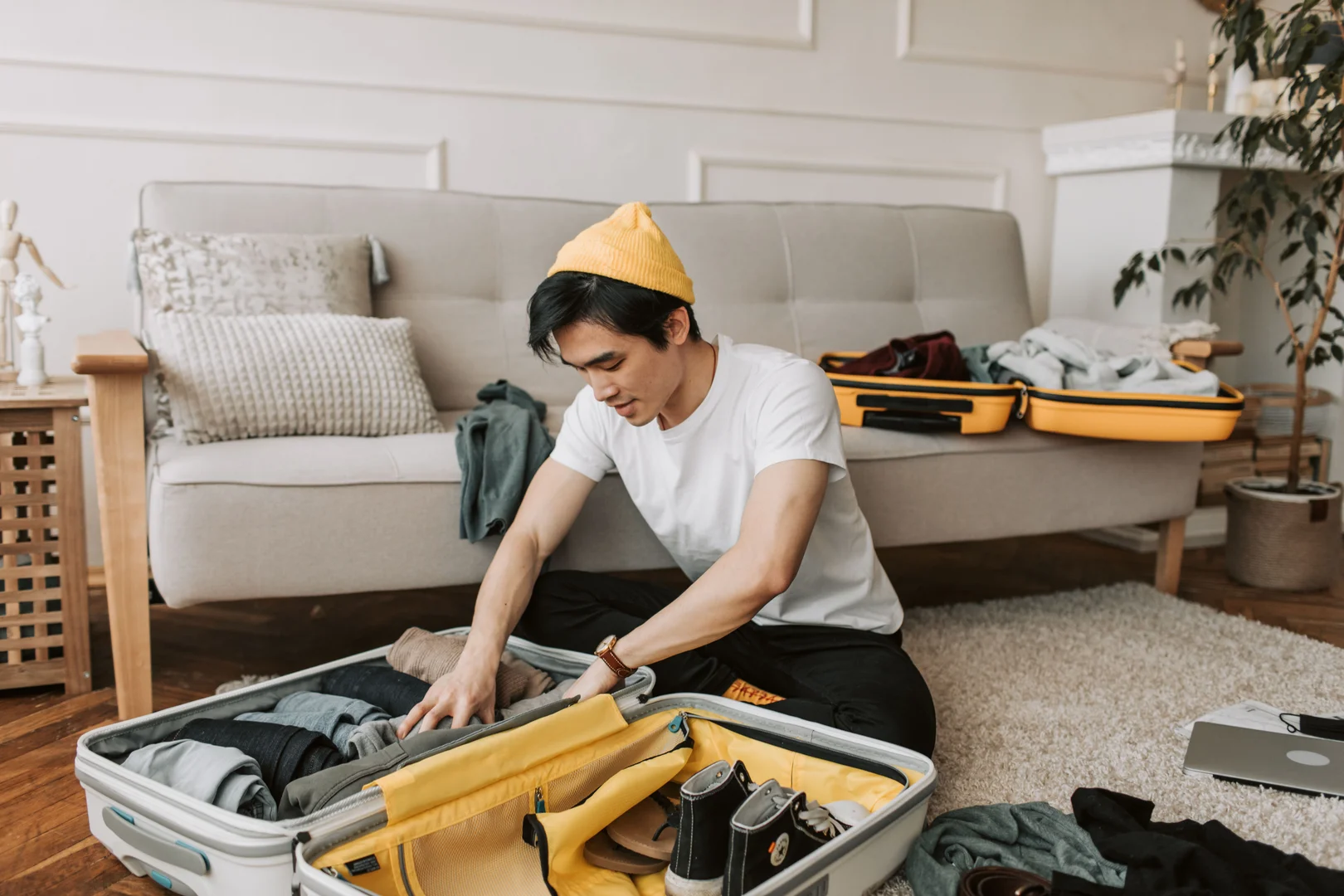
The safest FIFO packing list is not one universal shopping list. Start with three columns: pack yourself, expect the employer to supply or specify, and confirm before bringing. Your mobilisation pack, flight booking and recruiter’s instructions should override any generic checklist—including this one.
That approach helps you avoid two common problems: arriving without a personal essential, or filling your bag with work gear that is unsuitable, restricted on the flight or already waiting on site.
The short answer: use three lists, not one
Sort every item into one of these groups before you pack:
| Decision | What it means | Typical examples |
|---|---|---|
| Pack yourself | Ordinary personal items that your instructions do not say will be supplied | Photo ID, phone, chargers, casual clothes, toiletries and prescription medicines |
| Employer supplies or specifies | Safety-critical or role-specific items where fit, rating, branding or site approval may matter | Hard hat, eye and hearing protection, respiratory protection, task-specific gloves and some workwear |
| Confirm first | Items affected by the flight, camp, role or site rules | Work boots, tools, aerosols, power boards, extra food, alcohol, large batteries and bulky exercise equipment |
Treat “typical” as a prompt, not permission. A role flying on a charter aircraft to an underground site can have different baggage and work-gear instructions from a camp-services role travelling on a regular passenger flight.
Check these details before you put anything in your bag
Read your mobilisation email or onboarding pack from start to finish. If it does not answer these questions, ask your recruiter, employer or mobilisation contact:
- Who is operating the flight, and what is my exact baggage allowance? Check the booking, not a number remembered from a previous swing. Published allowances differ between carriers, fares and cabin classes, and charter instructions may be different again.
- What is supplied on site? Confirm uniforms, boots, PPE, towels, linen, toiletries, laundry products, water bottles and storage. Do not assume that another camp’s setup applies.
- What must I bring for mobilisation? Check the accepted form of photo ID and whether any licences, tickets or onboarding documents must be available digitally or physically.
- What are the roster and laundry arrangements? The number of days away does not automatically equal the number of outfits you need if reliable laundry is available.
- What conditions should I pack for? Check the current forecast for the actual destination and consider the difference between daytime, night-shift and air-conditioned indoor conditions.
- Are there camp or site restrictions? Ask about food storage, electrical appliances, alcohol, room storage and any prohibited items.
If the roster terminology is unfamiliar, read FIFO rosters explained. For room, food, laundry and facility expectations, see what FIFO camps are really like.
FIFO packing list for your first swing
Use the following list after checking your official instructions. Quantities depend on your roster, laundry access and baggage allowance.
Documents and travel essentials
- The photo ID specified in your booking or mobilisation instructions
- Flight or transport details saved somewhere you can access offline
- Employer, recruiter and emergency contact details
- Any licences, tickets or site documents specifically requested
- Wallet and payment card
- Phone with your employer’s contact number saved
- A pen and small notebook, if useful during induction
Keep sensitive documents secure. Do not carry extra identity documents, printed medical information or certificates unless they are genuinely required. A secure digital copy may be more practical, but confirm what the employer will accept.
Camp clothing and laundry
- Comfortable off-shift clothes appropriate to the forecast
- Sleepwear
- Underwear and socks
- A warm layer for cold mornings, night shift or heavily air-conditioned areas
- Shower footwear if permitted and useful in the accommodation
- Comfortable off-shift shoes
- Exercise clothes and shoes only if you expect to use the facilities
- Laundry bag
- A small amount of laundry product only if the camp does not supply it and the flight rules allow it
Avoid packing a fresh casual outfit for every day by default. Many workers repeat off-shift clothes and use camp laundry, but the facilities and time available vary.
Toiletries, medicines and personal care
- Toothbrush, toothpaste and ordinary toiletries
- Deodorant and other personal-care products that comply with flight rules
- Sunscreen and lip balm
- Any prescription medicines you need for the full trip, plus a sensible contingency discussed with your pharmacist or doctor
- Glasses, contact-lens supplies or other personal aids
- Menstrual products or other personal essentials that may not be readily available
- A compact toiletry bag that is easy to identify and clean
Healthdirect advises travelling with medicines in their original packaging. For individual storage, documentation or dose questions, ask your pharmacist or doctor rather than relying on a packing article.
Sleep and downtime
- Eye mask
- Earplugs suitable for sleeping—not worksite hearing protection
- Headphones
- Book, e-reader or downloaded entertainment
- One small comfort item if being away from home is new
- A reusable water bottle if your instructions say to bring one
Do not assume you need your own pillow, towel or linen. These take up space and are commonly site-dependent, so confirm first.
Electronics
- Phone and charging cable
- Headphones and their charging cable
- Laptop or tablet only if you will genuinely use it
- Power bank packed according to current aviation rules
- Watch or alarm if you do not rely on your phone
- Clearly labelled cables kept together in a small pouch
A power board can be useful in some rooms, but do not pack one automatically. Ask whether personal electrical equipment is permitted and whether it needs inspection or testing before use.
What goes in carry-on and what can go in checked baggage?
Your airline or charter operator has the final say. Use the Civil Aviation Safety Authority’s Pack Right tool to check individual items, then check the operating carrier’s rules.
| Item | Starting decision | What to verify |
|---|---|---|
| Required photo ID, booking information and essential contacts | Carry-on | Keep accessible and secure |
| Essential prescription medicines | Carry-on is usually the practical choice | Packaging, temperature, documentation and airline requirements for your medicine |
| Spare lithium batteries and power banks | Carry-on, not checked baggage | Battery rating, quantity, terminal protection and carrier approval |
| Phone, laptop and other battery-powered devices | Prefer carry-on | If checked, CASA says devices must be completely switched off and protected from damage or accidental activation; airline rules may be stricter |
| Ordinary clothes and non-restricted camp items | Checked baggage if needed | Weight, dimensions and whether the bag will travel on a smaller aircraft |
| Aerosols, toiletries and liquids | Depends on the product and flight | CASA item guidance, quantity limits, carry-on security rules and airline approval |
| Tools, work aerosols, chemicals and large batteries | Do not pack without written confirmation | Some are restricted or prohibited; employer freight arrangements may be required |
CASA states that spare batteries and power banks must stay in the cabin and must not be placed in checked luggage. Protect spare battery terminals and check the airline’s limits. If a small aircraft operator asks you to surrender a cabin bag at the gate, remove spare batteries and power banks before handing it over.
Non-toiletry aerosols such as degreasers and some maintenance sprays, along with flammable or corrosive work products, can be prohibited. Do not assume an item is safe because it is sold in a supermarket or hardware store. Search the exact item through CASA and ask the operating airline when the answer is unclear.
Do not buy or pack work gear until it is confirmed
Several online packing lists tell workers to bring their own hard hat, respirator, safety glasses, gloves or tools. That is not a safe universal rule.
Safe Work Australia’s model WHS guidance says required PPE must be suitable, properly fitted and accompanied by instruction and training. The specific legal framework and arrangements can vary by jurisdiction and workplace, but the practical packing decision is straightforward: obtain written guidance about what is supplied, what you must bring and which standards or specifications apply.
Confirm these items before buying or packing them
- Safety boots and employer-branded workwear
- Hard hats, eye protection and hearing protection
- Respiratory protective equipment
- Task-specific gloves, harnesses or specialist PPE
- Hand tools, battery tools and spare tool batteries
- Maintenance aerosols, paints, solvents, fuels or chemicals
- Knives or other sharp work items
- Personal electrical appliances and power boards
Do not use your travel bag to solve an employer’s freight or equipment problem. Unapproved PPE may not fit the task or site system, and some work products cannot travel in passenger baggage at all.
Adjust the list for your roster, destination and camp
Once you have the base list, make four adjustments.
1. Roster length
Pack enough personal essentials to cover the swing, but base clothing quantities on laundry access rather than simply counting days. Bring a small buffer for critical personal items, not a duplicate of everything.
2. Climate and shift
Check the destination—not just the point of hire. A hot daytime forecast does not rule out a cold pre-dawn start, night shift or strong air conditioning. Pack layers that work together instead of bulky single-purpose items.
3. Camp facilities
The FIFO accommodation guide explains common rooms, food and facilities, but camps differ. Confirm linen, towels, laundry, gym access, room storage and any wet-mess or food rules.
4. Role and travel mode
Camp services, trades, operators and professional roles can receive different workwear and equipment instructions. FIFO, DIDO and BIBO workers also pack differently because the baggage constraints and transport risks differ. See FIFO vs DIDO vs BIBO if your travel arrangement is unclear.
Your 48-hour pre-flight packing check
Two days before departure, work through this list:
- Confirm the flight time, terminal or collection point and operating carrier.
- Re-read the baggage allowance in the current booking or charter instructions.
- Search questionable batteries, aerosols, toiletries or work items using CASA Pack Right.
- Move all spare batteries and power banks into carry-on baggage and protect their terminals.
- Confirm the photo ID and onboarding documents you must present.
- Check that essential medicines are packed securely in their original packaging.
- Review what the employer supplies and remove unapproved or duplicate work gear.
- Check the destination forecast and adjust layers.
- Confirm linen, towels, laundry and personal-electrical-equipment rules if they remain unclear.
- Label your bag and keep recruiter, mobilisation and emergency contact details accessible.
- Weigh and measure your bags against the actual booking instructions.
- Remove “just in case” items that have no clear purpose.
The goal is not to pack for every possible situation. It is to arrive with the personal essentials you need, the documents you were asked for and nothing that conflicts with your flight, employer or site instructions.
If you are still comparing opportunities rather than preparing for a confirmed swing, browse current FIFO jobs and check the roster, point of hire and mobilisation details in each listing before making travel assumptions.
Sources and live FIFO Careers pages checked 16 July 2026. General information only; employer, site, airline, role and personal requirements vary.
Related posts

Recognise FIFO fatigue, respond safely and plan shifts, camp recovery and travel home with this practical Australian worker guide.

Build a practical FIFO relationship plan for communication, household responsibilities, children, homecoming, roster reviews and Australian support.

Learn what may happen on your first FIFO swing, what to confirm before travel, how induction and camp routines may work, and who to contact when plans change.