
Updated by
Cooper Hale is the founder and editor of FIFO Careers. Based in Sydney, Australia, and in his thirties, Cooper researches FIFO and remote-site careers across mining and resources, construction, renewables, oil and gas, healthcare and electrical trades. His guides draw on current job advertisements and authoritative Australian sources, including Fair Work Commission agreements, ATO guidance, modern awards and Fair Work Ombudsman resources. He aims to provide practical, carefully sourced information rather than opinion or unverified forum advice.
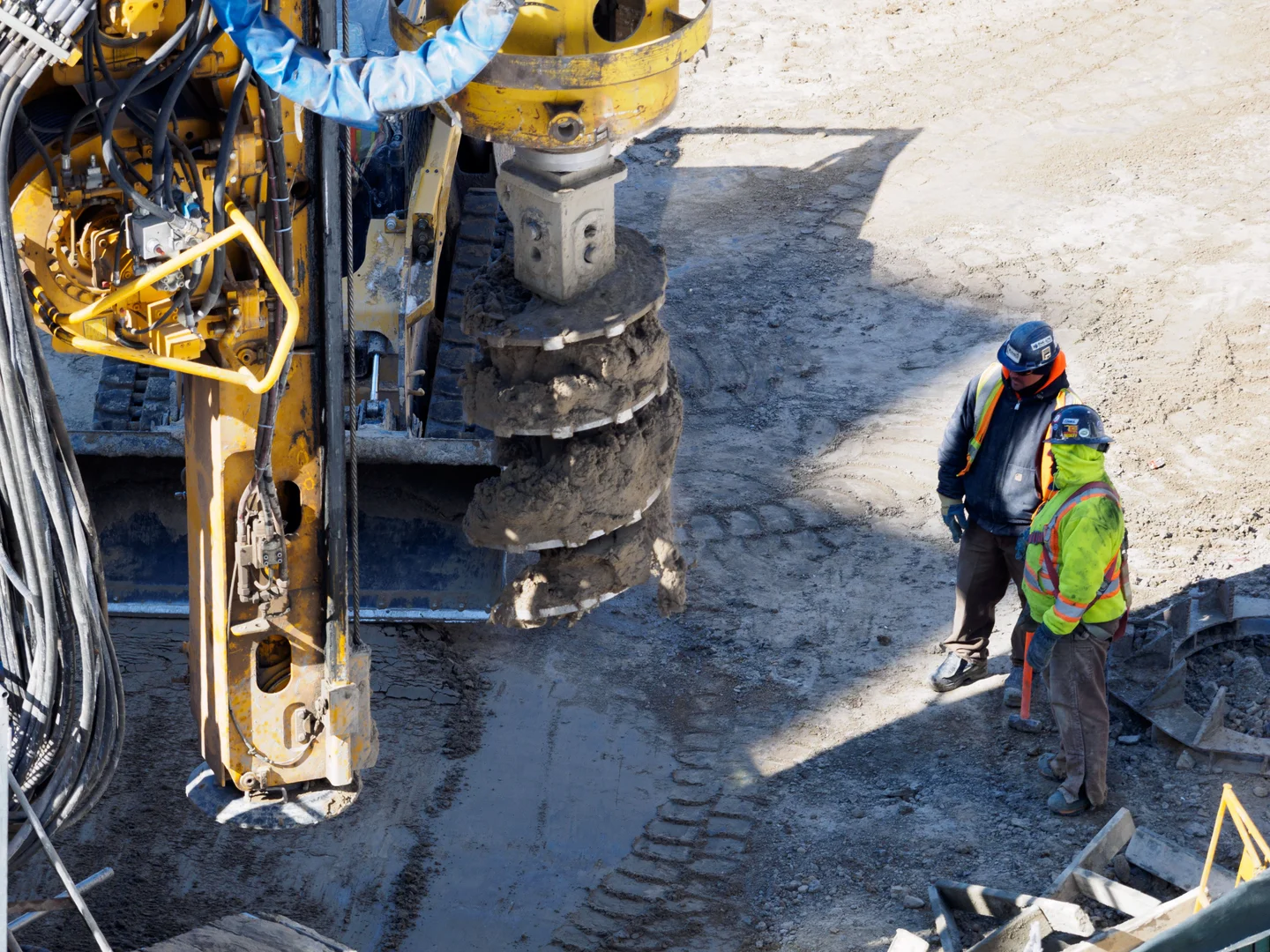
A driller’s offsider—also called a drilling assistant—supports the driller and keeps the rig crew supplied, organised and working to procedure. Depending on the rig and drilling method, the job can involve setting up and packing down drill sites, handling equipment and materials, assisting with samples, cleaning and basic maintenance, and recording information under direction.
It is often described as an entry-level route into mining and exploration, but “entry level” does not mean easy or that every applicant qualifies. The work can be physically demanding, remote and rostered across days and nights. Tickets, licences, experience, medical screening and points of hire differ between employers, sites and jurisdictions.
This guide explains the work, the requirement checks and how to decide whether the role suits you. For broader entry pathways, read how to get a FIFO job with no experience.
What does a driller’s offsider do?
The short answer is: the offsider helps the driller prepare the site, support drilling operations and look after the equipment and work area.
Common duties may include:
- loading, securing and moving drilling equipment and materials
- helping set up and pack up the drill site
- handling rods, hoses, tools or consumables using the equipment and procedures provided
- collecting, labelling, moving or storing samples and cuttings
- monitoring equipment and reporting problems to the driller
- cleaning the rig and maintaining an orderly work area
- assisting with routine maintenance or minor repairs when trained and directed
- completing shift records, sample records or other paperwork
- following pre-start, risk-control, communication and emergency procedures
That list is a guide, not a universal position description. Mechanisation, crew size and duties vary between surface and underground work, drilling methods, rigs and employers. The exact advertisement and position description should be your source of truth.
What can a shift look like?
A shift usually follows the drilling program rather than a fixed office-style routine. A simplified work cycle may look like this:
- Pre-start and handover: Attend the shift briefing, review hazards and controls, inspect the work area and check assigned equipment.
- Set-up or rig move: Help position, load, unload or prepare equipment under the crew’s procedures and exclusion controls.
- Drilling support: Keep materials available, assist the driller, manage hoses or tools where assigned and watch for changes that need to be reported.
- Sample work: Collect, label, move or store samples according to the drilling program and site process.
- Housekeeping and maintenance: Clean work areas and assist with inspections or routine maintenance within your training and authority.
- Records and handover: Complete required records and pass relevant information to the next crew.
Not every shift includes every stage. Some crews remain on one hole for an extended period; others move and establish sites more frequently. Underground diamond drilling, surface exploration, blast-hole, geotechnical and other drilling environments can produce different tasks and conditions.
How physically demanding is the job?
Driller’s offsider roles are commonly advertised as manual, active work. The role may involve repeated handling, pushing or pulling, working on your feet, climbing access points and moving around wet, dusty, muddy or uneven areas. Remote locations, weather, noise, PPE and day or night shifts can add to the workload.
Do not judge the job only by a generic fitness statement. Ask what the specific rig is mechanised to handle, what manual tasks remain, how work is rotated and what training or mechanical aids are provided. Follow the employer’s safe-work procedures and never improvise around rotating equipment, suspended loads, pressurised systems or vehicle movements.
Being strong is not a substitute for safe technique, communication or stopping when a control is missing. Employers decide fitness-for-work and medical requirements for their roles; this article cannot assess your medical suitability.
Surface, underground and drilling-method differences
“Driller’s offsider” is an umbrella label. The current national Certificate II in Drilling Operations lists assistant-driller pathways across mineral exploration, production, geotechnical, water-well, environmental, construction and other drilling sectors. A job title alone therefore does not tell you enough about the work.
Before applying, identify:
- whether the work is surface or underground
- the drilling method and type of rig
- whether the job is exploration, production, construction or another program
- the point of hire and whether travel is FIFO, DIDO or residential
- the roster, shift length and day/night pattern
- the manual tasks and mechanical handling equipment used
- whether camp, field-camp or other accommodation is involved
These details affect the work more than a broad “mining job” label. If a term in the advertisement is unclear, ask the recruiter to explain the rig, environment and daily duties before you accept.
What licences, tickets and checks do you need?
There is no single Australia-wide shopping list that makes every applicant job-ready. Start with the advertisement, then verify any legal or site requirement with the relevant state or territory authority and the employer.
For Western Australia, the WA Government’s current driller and driller offsider guidance says an occupational licence is not required for the role. It lists a Construction Induction Card and C-class driver’s licence, and notes that an HR licence and first aid may also be needed depending on the job. That is WA guidance; roles in other jurisdictions or sectors can differ.
Advertisements may also request some combination of:
- a manual driver’s licence or a particular heavy-vehicle class
- a construction induction card
- first aid or role-specific units
- a police check or site access documents
- a pre-employment medical and drug and alcohol screening
- evidence of Australian work rights
- previous labouring, drilling, underground or mechanical experience
Only claim a credential if it is current and you can produce it. Do not buy a bundle of courses because a generic guide calls them “essential”. Check several live advertisements first and prioritise requirements that repeatedly appear for the drilling work and location you are targeting.
Is Certificate II in Drilling Operations required?
The national training register lists RII20920 Certificate II in Drilling Operations as current. Its qualification description covers assistant drillers who perform a prescribed range of routine functions, and its core units include loading and securing equipment, setting up and packing up drill sites, supporting drilling processes, local risk control and working safely.
The qualification record has no entry requirements, but that does not mean every role requires the certificate or that completing it guarantees a job. Some employers recruit trainees or new offsiders and train them; others want prior drilling experience or specified competencies. Check whether an employer expects the full qualification before appointment, offers it through a traineeship, or asks only for particular units.
If you are considering training, use training.gov.au to confirm the current code and find registered providers. Ask the provider how delivery and assessment work, what equipment access is required, what is included in the fee and whether the course matches the drilling sector you want to enter.
How to make an entry-level application credible
If you have not worked on a drill rig, your application should prove relevant habits without pretending you have drilling experience.
Useful evidence can come from construction, civil work, farming, warehousing, mechanical work, landscaping, manufacturing, defence, emergency services or other physical shift work. Match your real experience to the advertisement, such as:
- following pre-starts, permits, isolation rules or safe-work procedures
- completing repetitive manual tasks safely across a full shift
- working around vehicles, mobile plant, tools or machinery
- inspecting, cleaning or maintaining equipment within your responsibilities
- recording stock, samples, faults, measurements or shift information accurately
- working outdoors, on nights or in remote locations
- communicating clearly in a small crew and taking direction
- maintaining attendance and reliability across rostered work
Use a short example for each important claim. “Safety focused” is weak by itself; an example of identifying a damaged lifting accessory, reporting it and following the replacement process shows what you actually did. Keep the example truthful and within your training and authority.
Questions to ask before accepting a role
An interview is also your chance to test whether the job described is the job you can realistically do. Ask:
- What drilling method, rig and work environment will I join?
- What manual tasks does an offsider perform on this crew?
- What training, supervision and competency checks are provided?
- What licences, tickets and checks must I hold before starting?
- What are the roster, shift length, day/night rotation and expected travel days?
- What is the point of hire, and which travel costs are mine?
- What accommodation and meals are provided?
- How is pay structured across ordinary hours, overtime, allowances and super?
- What PPE is supplied, and what must I provide?
- What progression is possible, and what competencies—not just time served—are required?
Get material terms in writing. For help comparing roster patterns, see FIFO rosters explained. For pay context, use the separate FIFO salaries guide and then confirm the actual employment contract or agreement.
Is a driller’s offsider role right for you?
The role may suit you if you can give honest evidence that you:
- can sustain physical work while following controls and using mechanical aids
- take instructions and communicate clearly in a small crew
- are comfortable with dirt, noise, weather and changing conditions
- can manage remote living, rostered time away and day/night work
- keep records and repetitive tasks accurate when tired or under pressure
- will stop and ask when a task or hazard is outside your training
- accept that advancement depends on competence, performance and available roles
Think carefully if you are attracted only by a salary headline, dislike repetitive manual work, cannot make the point-of-hire arrangements or expect an immediate promotion to driller. Entry-level drilling can be a pathway, but no course, recruiter or article can guarantee employment or progression.
Find current driller’s offsider opportunities
Read several advertisements before spending money on training. Compare the drilling method, location, roster, point of hire, experience threshold and mandatory credentials, then tailor your application to the role you can substantiate.
Browse current underground diamond drilling jobs on FIFO Careers. Listings change, so use the current advertisement—not this guide—for the final requirement check.
Related posts
Compare FIFO work pros and cons with dated pay examples, roster trade-offs and practical checks for fatigue, relationships, tax and annual leave.
Compare mobile equipment, fixed plant and shutdown boilermaker work, check qualifications and prepare evidence for your next FIFO application.
A dated analysis of 974 live FIFO Careers jobs, including 162 disclosed pay rates, current role examples, roster comparisons and an offer-checking guide.